Featured
Table of Contents
To see how other brands utilize performance media for fast recognition, explore The ROI Transformation playbook. Paid and organic channels are most efficient when used in performance: Promote top-performing organic posts to scale reach. Usage paid search to target high-value keywords that are difficult to rank for organically. Run retargeting projects on natural traffic to enhance conversion.
Rather than treat them as silos, treat them as signalspaid gives speed, organic builds trust. Not sure where to designate your advertisement spend? Explore our guide to mastering digital marketing channels. To run and scale paid media successfully, marketers count on:: Google Advertisements, Meta Ads Manager, TikTok for Organization: Canva, Figma, Creative Center: Google Analytics, Triple Whale, Rockerbox: Sector, Northbeam, HubSpotThese tools help track ROI, run experiments, handle assets, and ensure your media spend equates into meaningful development.
With increasing noise, shortened attention periods, and more discerning purchasers, paid channels offer a way to reach, convert, and find out quicker. In 2025, winning teams will deal with paid media not as a budget line item, but as a strategic function ingrained throughout efficiency, creative, and product marketing.
Identify the core audience for your PSA. If your project has to do with promoting healthy eating habits in kids, your target market might include moms and dads and schools. For campaigns such as promoting for regular health screenings in older adults, you would target demographics based upon age, location, and possibly even medical history.
How to Scale Ppc Management Using AI Bidding
Digital platforms like Google Ads and Facebook offer granular targeting alternatives based on interests, behaviors, search history, and more. Traditional media, while less exact, still uses targeting through the selection of specific programs, times, and geographic locations. For a PSA project on cigarette smoking cessation, you might use social media targeting to focus on individuals interested in health and health-related topics or those who have engaged with smoking cigarettes cessation resources in the past.
Building a Winning Paid Media Strategy
Your campaign's messaging ought to also be customized to resonate with the target audience. A PSA about the value of vaccination, for example, might have various angles: one for healthcare specialists, emphasizing their role in public health, and another for moms and dads, concentrating on child security. Continually analyze the information from your projects to refine your targeting methods.
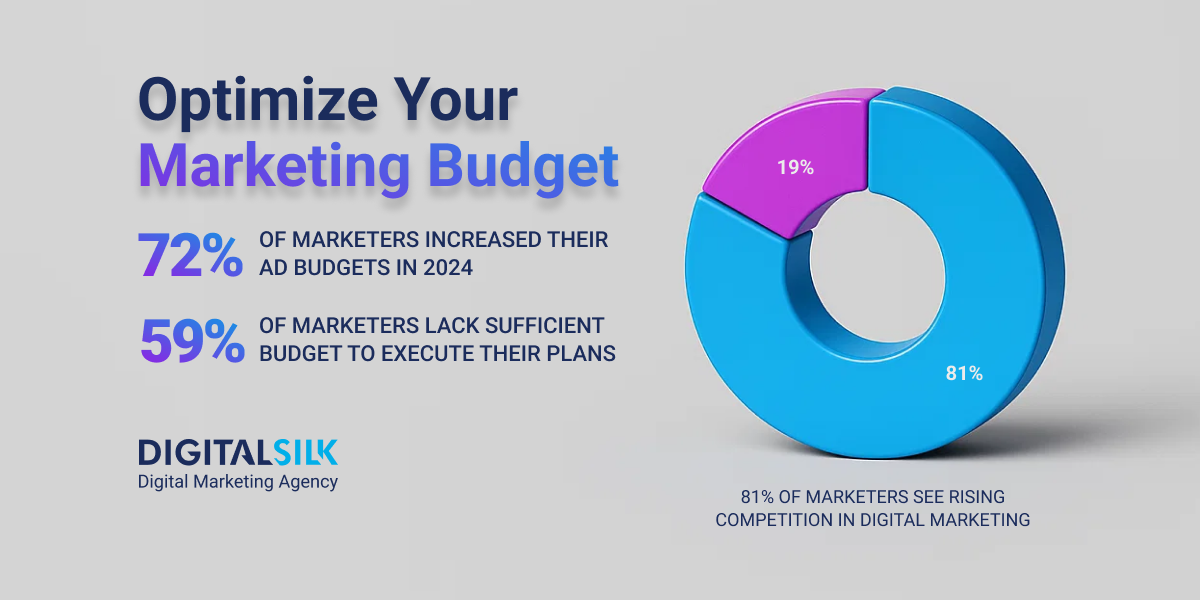
By continuously optimizing your audience targeting, your PSA campaigns will end up being more reliable gradually, making sure that your message not just reaches the right ears however also prompts the wanted action. Creating efficient paid media campaigns involves a strategic mix of audience insight, compelling content, and the savvy positioning of ads.
Utilize place-based media to deliver contextually relevant messages in environments where they will resonate the majority of. Whether digital billboards in high-traffic areas or screens in doctors' workplaces for health-related PSAs, the environment can strengthen the message's relevance and urgency.: Understanding your audience is the primary step in creating an efficient project.
This understanding is specifically important when releasing place-based media, as the message must relate to the audience in that particular place. Your message must cut through the noise and capture attention. This is especially true for place-based media, where you have a restricted time to engage viewers. Your call to action must be clear, concise, and easily actionable.
Understanding the Full Value of Paid Media Planning
For place-based media, choose locations that are often visited by your target market and think about times of day when foot traffic is greatest to maximize direct exposure. Design visuals that are not only distinctive however likewise appropriate for the context of the placement. For digital screens in public locations, utilize intense, clear images and very little text to communicate your message rapidly.
Guarantee that your place-based media is customized for the environment where it's shown. Ads in a train station, for instance, must be developed to catch the attention of hectic commuters. Conduct evaluates to see which versions of your place-based advertisements carry out best. This might imply trying various messages at different times or tweaking the design based upon the location's particular characteristics.
Utilize the data to make fast changes to enhance engagement. Quantify the success of your projects by setting KPIs that are suited to place-based media, such as foot traffic counts, QR code scans, or direct engagement with the ad. Just like any campaign, but specifically with PSAs, uphold high ethical standards.
After the campaign concludes, seek feedback and step long-term impact through follow-ups. This can be specifically helpful for place-based media, as direct interaction with the audience can provide instant and actionable insights. Integrating these best practices into your paid media technique, especially with the strategic use of place-based media, can significantly amplify the effectiveness of your campaigns.
Steps to Create Effective Display Ads
Marketers know that you can't depend on a single method to reach your audience, specifically online. The web is a significantly stratified location, with possible clients spread across channels and offering their restricted time and attention to just the best and most relevant material. Brand names need to have a variety of methods to cut through the noise, develop brand name awareness, and transform the best client.
In this post, we'll review five paid media method suggestions, emerging patterns, and examples to help you serve the right material and get an edge on the competition. As a fast refresher, paid media refers to any marketing or advertising material that a business pays for. That remains in contrast to owned media, which describes the channels your service owns and releases material on, and made media, which refers to points out of your business that are produced or shared by third-parties, like consumers or news outlets.
How to Scale Ppc Management Using AI BiddingThe majority of marketers have utilized some kind of paid media to attract or retain clients, like the copying: TV and radio business Conventional print advertisements Pay-per-click (PAY PER CLICK) ads Display advertisements Social network ads Online search engine Marketing (SEM) or paid search ads Sponsored content Influencer marketing campaigns Co-marketing campaigns Paid media has a few distinct advantages.
How Refining SEM Campaigns for Better ROI
You can develop and publish a Facebook ad that particularly targets your high-intent potential customers and perfect consumers in minutes and quickly uncover heaps of valuable insights. Comparable to owned media, paid media provides control of innovative instructions and messaging, whether it's a paid post or creator collaboration. It's likewise a source of passive list building, implying your post is constantly on and working for your brand name up until you pivot to the next campaign.
For example, bid prices for popular keywords like "finest marketing platform" can become costly rapidly. Another element is that consumers do not trust paid advertising nearly as much as family and friend suggestions. Sponsored influencer material is gaining serious reliability. According to Matter, 61% of customers are most likely to trust suggestions from an influencer, buddy, or household member on social networks, while just 38% trust a brand's recommendation.

Latest Posts
How Corporate CSR Boosts Local Outreach
Why Your Philanthropy Model Optimized for 2026?
Keys to Successful Charitable Partnership Programs